
Deadline from Florida Statute 627.70132 (2025 statutes). Coverage always depends on your own policy wording.
Will home insurance cover a roof leak? Usually yes when the leak comes from sudden damage, such as wind tearing off shingles or a limb punching through the roof, and usually no when it comes from age, wear or a problem that built up slowly. In Florida, you also have deadlines to meet, and your policy may carry a separate roof deductible or a hurricane deductible that changes what you get back. The wording of your own policy decides the answer.
This guide covers how insurers generally sort leaks, the Florida rules that set the clock, and what to do in the first hours after you find water. If the roof needs work now, our roof repair team offers 24/7 emergency response for active leaks and storm damage across Central Florida.
In this guide
- When insurance usually covers a roof leak
- When it usually doesn't
- Does it cover the water damage inside?
- Florida deductibles that change the payout
- Florida claim deadlines
- Roof age and your policy
- What to do when your roof starts leaking
- What a roofer can and can't do on a claim
- When to call in Central Florida
- Questions homeowners ask
When insurance usually covers a roof leak
Most homeowners policies are written to pay for sudden, accidental damage from a covered peril. For a roof, that usually means:
- Wind. Shingles or tiles lifted or torn off in a storm, leaving the underlayment open to rain.
- Falling objects. A tree or limb that cracks tile, breaks shingles or punctures the roof deck.
- Hail. Less common in Central Florida than in some states, but it does happen.
- Hurricanes and named storms. Covered on most Florida policies, with their own hurricane deductible.
The key word is sudden. If you can point to the day the damage happened, and to the storm or event that caused it, you are in the territory policies are written for.
When it usually doesn't
Leaks that develop over time are where claims are most often denied. Common examples:
- Shingles that have worn out, curled or lost their granules with age
- A pipe boot or flashing joint that dried out and cracked over years of Florida sun
- A slow leak that stained the ceiling for months before anyone looked
- Damage from skipped maintenance, such as clogged valleys or debris left to rot on the roof
- Poor workmanship from an earlier repair or install
Policies differ, and some have exclusions or limits that others don't. If you aren't sure how your policy treats a leak, read the coverage section and the exclusions, or ask your insurance agent. A licensed public adjuster can also review a policy for you.
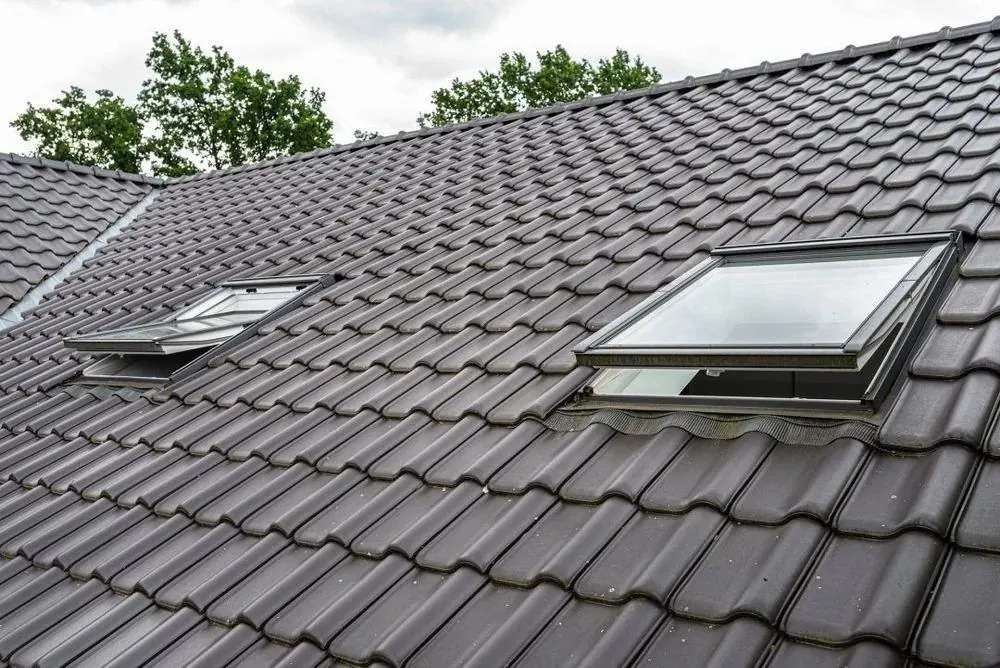
Does it cover the water damage inside?
Often, the damage inside the house is the bigger part of the bill: wet drywall, ruined insulation, stained ceilings, flooring and the things in the room. When the roof damage itself was caused by a covered event, the interior water damage from it is commonly covered too. When the leak came from wear and tear, the interior damage often isn't, because it traces back to the same uncovered cause.
Mold is its own category. Many policies limit what they pay for mold, and a leak left alone for weeks gives mold time to grow. That's one more reason to stop the water fast and document it the day you find it.
Florida deductibles that change the payout
Even a covered roof claim pays out after your deductible, and Florida policies can carry more than one kind.
Hurricane deductible
Under Florida Statute 627.701, insurers have to offer hurricane deductibles of $500, 2%, 5% and 10% of the dwelling limit, with some exceptions for higher-value homes. On a $300,000 dwelling limit, a 2% hurricane deductible is $6,000, so a small roof repair after a hurricane may fall under it entirely.
Separate roof deductible
The same statute also lets insurers offer a separate roof deductible. It can't exceed the lesser of 2% of the dwelling limit or 50% of the cost to replace the roof, and it doesn't apply to every loss. Under the statute it does not apply to:
- a roof loss from a hurricane
- a tree fall or other hazard that damages the roof and punctures the roof deck
- a roof loss that needs repair of less than 50% of the roof
- a covered total loss of the house
Your declarations page has to show the dollar amount of a roof deductible if your policy has one. Find it there before a storm, not after.
Florida claim deadlines
Florida sets firm time limits on both sides of a claim:
| Step | Time limit | Statute |
|---|---|---|
| You give notice of a new or reopened claim | Within 1 year of the date of loss | 627.70132 |
| You give notice of a supplemental claim | Within 18 months of the date of loss | 627.70132 |
| Insurer acknowledges your claim | Within 7 days | 627.70131 |
| Insurer inspects, if it needs to | Within 30 days of your proof of loss | 627.70131 |
| Insurer pays or denies | Within 60 days of notice, with limited exceptions | 627.70131 |
Sources: Florida Statute 627.70132 and 627.70131, 2025 Florida Statutes. For a hurricane or other weather event, the date of loss is the date the storm made landfall or the date the event is verified by NOAA.
One year sounds like plenty of time, but slow leaks blur the date of loss. If a storm passed through in August and you notice a ceiling stain in February, the photos and the storm date are what tie the two together.
Roof age and your policy
Roof age doesn't decide a single claim, but it shapes Florida coverage. Under Florida Statute 627.7011, an insurer can't refuse to write or renew a policy only because the roof is under 15 years old. For an older roof, an inspection showing at least 5 years of useful life left means the insurer can't refuse the policy on roof age alone.
An older roof also gives an insurer more room to call a leak wear and tear, which is one reason a roof near the end of its life is worth replacing before it leaks. Our roof replacement cost guide covers what that runs in Central Florida.
What to do when your roof starts leaking
- Stop the water inside. Buckets, towels, and move furniture and electronics. If water is near light fixtures or outlets, turn off power to that area.
- Photograph everything first. Ceiling stains, wet floors, and the roof from the ground if you can see damage. Date-stamped photos are your record.
- Get the roof protected. Most policies expect you to prevent further damage. An emergency tarp keeps rain out until a permanent repair. A tarp left on for months in Florida sun breaks down, so the permanent repair should follow.
- Keep every receipt. Tarping, drying, a hotel night: write it down.
- Call your insurer or agent. Ask how to report the claim, and note the claim number and the date.
- Get a written inspection. A report with photos of the roof itself, not just the ceiling, shows what caused the leak.
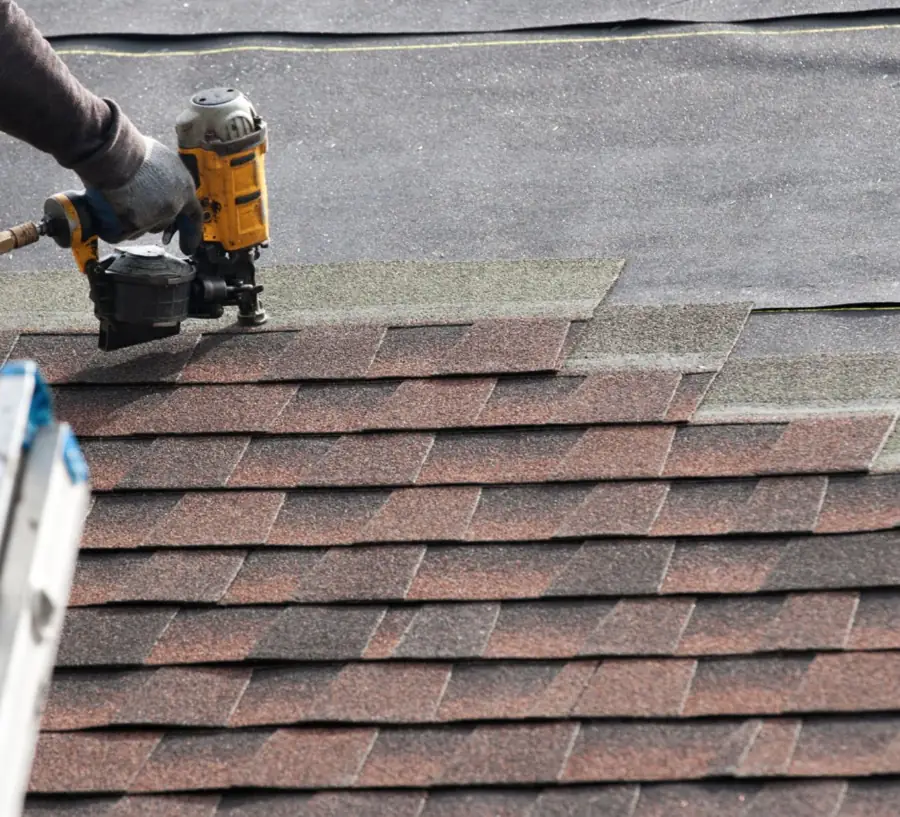
What a roofer can and can't do on a claim
Florida law draws a clear line here. Under Florida Statute 489.147, a contractor may not offer to waive your deductible, or give you a rebate, gift or cash, in exchange for a roof inspection or an insurance claim. A contractor also may not interpret your policy, advise you on your coverage, or adjust the claim for you unless they are a licensed public adjuster. If a roofer at your door offers a "free roof" or to cover your deductible, that's your cue to say no.
What a good roofer does is the roofing side. On storm damage, we photograph the damage before the tarp goes on so your adjuster sees what actually happened.
We put the findings in a written inspection report with photo documentation, and if your claim moves forward, we meet the adjuster on site with you. Your insurer makes the coverage decision. Sun State is a Florida State Certified Roofing Contractor, license CCC1334700.
When to call in Central Florida
Call right away for an active leak, missing shingles or tiles after a storm, or a limb on the roof. Call soon for a new ceiling stain, even a small one, because a stain that's dry today can be a wet deck under the shingles. If you're unsure whether you have storm damage at all, a roof inspection gives you dated photos either way.
We serve homeowners across Central Florida, including Altamonte Springs, Longwood, Sanford, Oviedo, Winter Park and Orlando. For a leak today, see our roof repair page or call us for 24/7 emergency response.
Questions homeowners ask
Will homeowners insurance pay for a leaky roof?
If the leak comes from sudden damage by a covered event, such as wind or a falling limb, it usually does, minus your deductible. If it comes from age, wear or a slow problem that built up over time, it usually doesn't. Your own policy wording decides.
Does homeowners insurance cover water damage from a roof leak?
Interior water damage is commonly covered when the roof damage behind it came from a covered event. When the leak came from wear and tear, the water damage inside often isn't covered either. Many policies also limit what they pay for mold.
How long do I have to file a roof claim in Florida?
Florida Statute 627.70132 requires notice of a new or reopened claim within 1 year of the date of loss, and notice of a supplemental claim within 18 months. For a hurricane, the date of loss is the date it made landfall.
What is a roof deductible in Florida?
Some Florida policies carry a separate roof deductible. By statute it can't exceed the lesser of 2% of the dwelling limit or 50% of the roof replacement cost, and it doesn't apply to hurricane losses, tree falls that puncture the deck, or repairs under 50% of the roof.
Can a roofer pay my deductible in Florida?
No. Florida Statute 489.147 bars contractors from offering to waive an insurance deductible, or giving rebates, gifts or cash, in exchange for a roof inspection or an insurance claim.
Should I tarp my roof before the adjuster comes?
Most policies expect you to prevent further damage, so stopping the water is usually the right call. Photograph the damage before the tarp goes on and keep the receipt, so the adjuster can see what happened and what it cost to protect the roof.