
Installed cost before incentives, from EnergySage's Florida and Orlando marketplace data (November 2026). Credit status from the IRS.
Solar panel installation cost in Central Florida averages about $2.06 to $2.12 per watt in 2026, which works out to roughly $29,700 to $30,700 for a typical 14.4 kW home system before incentives, according to EnergySage's November 2026 marketplace data. Most Florida quotes land between about $26,100 and $35,300. Your number depends far more on how much electricity you use, your roof and the equipment you choose than on your home's square footage.
This guide lays out the sourced ranges, what moves the price, which Florida tax breaks still apply now that the federal credit has ended for buyers, and how to read a quote. We're a state-certified roofing contractor (CCC1334700) with a certified solar consultant through the Powur platform, so we price the roof under the panels too. For your own home's number, our solar panel installation team starts with a free consultation and an itemized written estimate.
In this guide
- Solar panel installation cost ranges for 2026
- Cost by system size
- Where the money goes
- What drives your price
- Tax credits and incentives in Florida
- The roof cost to budget alongside solar
- How to compare solar quotes
- Getting a real number in Central Florida
- Questions homeowners ask about solar cost
Solar panel installation cost ranges for 2026
Two widely used sources, both dated 2026, put Florida in the same neighborhood:
| Source | Area | System size | Per watt | Total before incentives |
|---|---|---|---|---|
| EnergySage (Nov 2026) | Florida | 14.49 kW (state average) | $2.12 | $30,713 (range $26,106 to $35,320) |
| EnergySage (Nov 2026) | Orlando | 14.43 kW (city average) | $2.06 | $29,691 (range $25,237 to $34,145) |
| This Old House (June 2026) | Florida | 10 kW | $2.53 | $25,300 |
| This Old House (June 2026) | National | 20 to 30 panels | n/a | $24,000 to $36,000 |
Sources: EnergySage Florida, EnergySage Orlando, This Old House. This Old House's page still shows an after-credit figure; the federal credit it subtracts no longer applies to purchased systems.
Why the per-watt numbers differ: EnergySage reports quotes on its marketplace for systems averaging over 14 kW, while This Old House prices a smaller 10 kW system. Bigger systems usually cost more in total but less per watt, because the fixed costs of design, permits and getting a crew on the roof are spread across more panels.
Cost by system size
Square footage isn't what sizes a system. Electricity use is. Two 2,000 sq ft homes can use very different amounts depending on AC, pool pumps, appliances and who's home during the day, which is why we size from your last 12 months of bills. Once you know the size, multiplying by a per-watt figure gives a ballpark:
| System size | At $2.06/W (Orlando avg.) | At $2.12/W (Florida avg.) | At $2.53/W (This Old House FL) |
|---|---|---|---|
| 6 kW | $12,360 | $12,720 | $15,180 |
| 8 kW | $16,480 | $16,960 | $20,240 |
| 10 kW | $20,600 | $21,200 | $25,300 |
| 12 kW | $24,720 | $25,440 | $30,360 |
| 15 kW | $30,900 | $31,800 | $37,950 |
Simple arithmetic from the averages above, before incentives. Smaller systems often price higher per watt than these averages, and a battery or roof work is extra.
Where the money goes
This Old House's 2026 guide breaks a system's total cost down like this: soft costs such as overhead, customer acquisition, design and profit about 51%, inverters and other equipment about 19%, panels about 18%, installation labor about 7%, and permits and inspections about 5%. The panels themselves are less than a fifth of the price. That's why two quotes for the same panel count can be thousands apart, and why doing the work yourself saves less than it seems. We go through that math in our guide to DIY solar panel installation.
What drives your price
- System size. Sized from 12 months of use and how much of it you want to offset.
- Equipment. Panel brand and efficiency, and microinverters versus a string inverter with optimizers.
- Battery backup. Optional, and a significant addition when you want it.
- Roof type and condition. Tile needs tile-specific hardware and more labor than shingle. Standing-seam metal is the simplest, because panels clamp to the seams with no penetrations.
- Roof layout and shading. Usable roof planes, which way they face, and nearby trees decide how many panels fit and what they produce.
- Electrical upgrades. Some homes need a main electrical panel upgrade before they can take a solar system.
- Permitting and interconnection. Requirements vary by city, county and utility. Our solar panel installation permit guide covers the Florida rules.
- How you pay. Cash, a loan, or a lease/PPA each change what you pay upfront and over time.
Tax credits and incentives in Florida
The federal credit has ended for buyers
Many cost articles still subtract a 30% federal tax credit. For homeowners who buy a system with cash or a loan, that's out of date: the IRS says the residential clean energy credit is not available for any property placed in service after December 31, 2025. EnergySage notes that lease and PPA providers may still pass along a version of a credit through their pricing, so if you're comparing a lease, ask how it's handled.
Florida's breaks still apply
- No sales tax. Florida Statute 212.08(7)(hh) exempts solar energy systems and their components from sales tax.
- No property tax increase. Under s. 193.624, the value a solar system adds to a home can't be counted in its assessed value.
- Net metering credits. For Duke Energy Florida, FPL and other investor-owned utilities, PSC Rule 25-6.065 credits extra power you send to the grid against the next month's bill, and pays any unused credits at year-end at the utility's as-available energy rate, which is lower than retail. Sizing to your actual use gets the most from it.
- HOA protection. Not a dollar figure, but s. 163.04 means an HOA can't block the system.
Florida has no state income tax, so there's no state solar tax credit to claim.
The roof cost to budget alongside solar
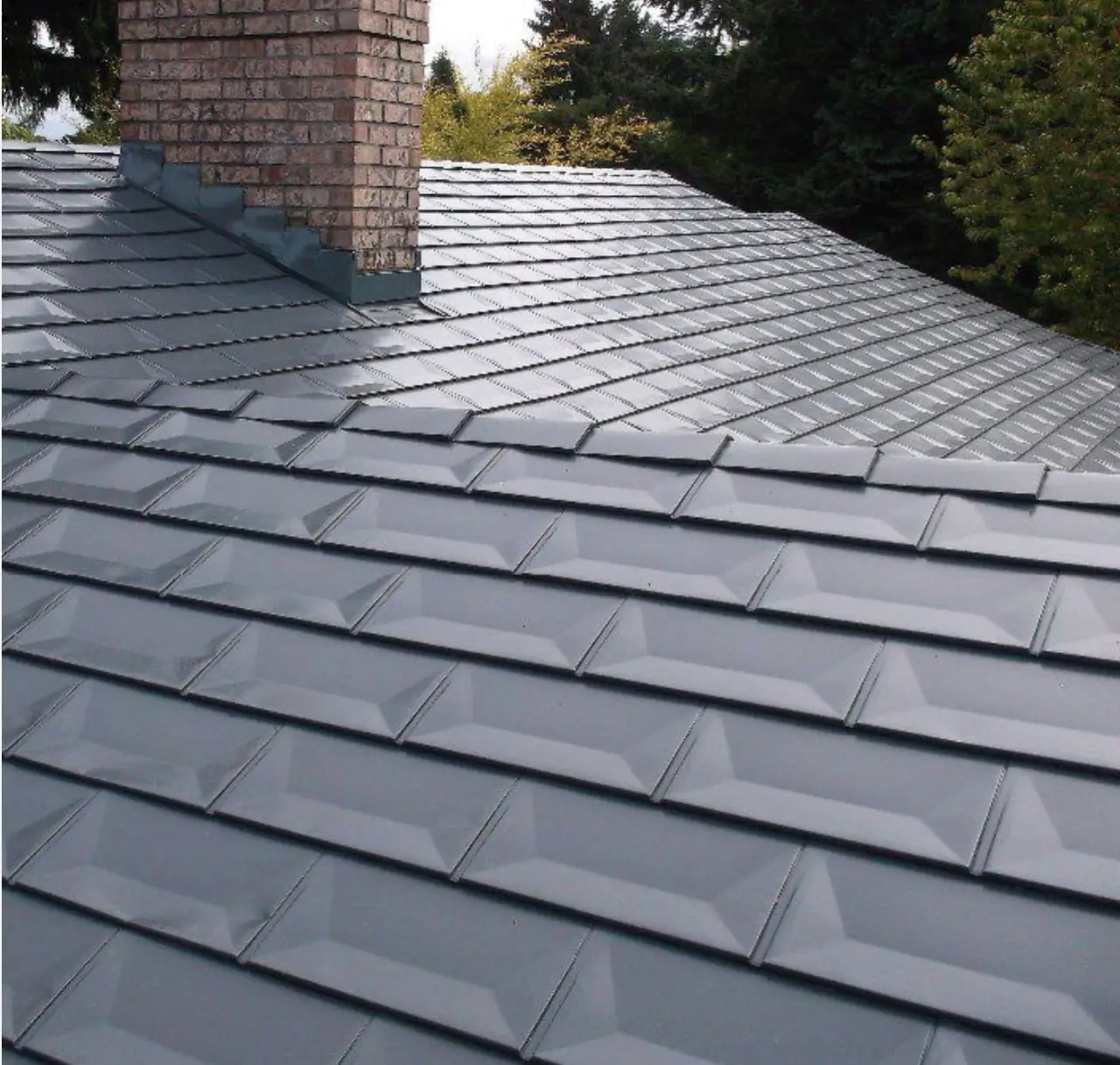
The most expensive solar mistake isn't the wrong panel. It's putting panels on a roof that needs replacing soon. If your roof is within about 5 years of replacement, replace it first, because removing and re-installing panels later is an extra job and can affect your solar warranties. Our roof replacement cost guide covers what that runs in Central Florida, and doing both at once means one schedule and new flashing at every mount on a new roof.
How to compare solar quotes
- Compare per watt, not just the total. Divide the price by the system size in watts so different-sized systems line up.
- Check the production estimate. Ask how much the system is expected to produce and how that was estimated for your roof.
- List the equipment. Panel and inverter brands, and whether a battery is included.
- Read the warranties. Premium panel warranties run 25 years on production; inverter warranties run 10 to 25 years depending on the unit. Ask who warranties the roof penetrations.
- Look at financing side by side. Cash, loan and lease/PPA, with full costs and terms, and how any lease credit is handled.
- Ask about the roof. A quote that never mentions your roof's age hasn't looked closely enough.
Getting a real number in Central Florida
A price quoted before anyone has looked at your roof and your bills is a guess. Our free solar consultation takes 60 to 90 minutes on site, reviews your last 12 months of bills, recommends a system, compares cash, loan and lease/PPA options, and ends with an itemized written estimate, with no obligation. If solar doesn't make financial sense for your home, we'll tell you.
We work across Seminole, Orange, Volusia and Lake counties, including solar panel installation in Orlando, Winter Park, Lake Mary, Deltona and Ocoee. See our solar panel installation page or book a free solar consultation.
Questions homeowners ask about solar cost
What is the average cost to install solar panels in Florida?
EnergySage's November 2026 data puts Florida at about $2.12 per watt installed, or about $30,700 for the state's average 14.49 kW system before incentives, with most quotes between about $26,100 and $35,300. In Orlando the figure is about $2.06 per watt.
How much does it cost to put solar panels on a 2,000 sq ft house?
Square footage doesn't set the price; electricity use does. Two 2,000 sq ft homes can need very different systems depending on AC, pool pumps and who's home during the day. As rough arithmetic at Florida's average $2.12 per watt, an 8 kW system works out to about $17,000 and a 12 kW system to about $25,400 before incentives.
How much does labor cost to install solar panels?
Less than most people think. This Old House's 2026 breakdown puts installation labor at about 7% of a system's total cost, with equipment at about 37% and soft costs such as design, overhead and customer acquisition at about 51%.
Is there still a federal tax credit for solar panels in 2026?
Not for homeowners who buy a system with cash or a loan. The IRS says the residential clean energy credit is not available for property placed in service after December 31, 2025. Lease and PPA providers may still factor a business-side credit into their pricing, so ask how it's handled in any lease quote.
Does Florida charge sales tax on solar panels?
No. Florida Statute 212.08(7)(hh) exempts solar energy systems and their components from state sales tax.
Will solar panels raise my property taxes in Florida?
No. Under Florida Statute 193.624, the value a solar energy system adds to a residential property can't be counted when the property is assessed for taxes.